
Rodent signs rarely arrive as a complete explanation. You may hear movement in a wall, find a few droppings behind stored items, notice teeth marks on a package, or see a rat traveling along an exterior wire or fence. Each sign is worth recording, but none should be used to guess the full route on its own. A careful entry-point check connects the clue to the building edge, food source, and sheltered space around it.
Los Angeles County public-health guidance recommends closing openings larger than one quarter inch, especially around pipes and conduits, doors, vents, and windows. The same guidance emphasizes removing food, water, and shelter from around the home. These are practical steps for Torrance properties, but they work best when the inspection begins with a specific location and safe access plan.
01 / FIELD NOTE
Start with the safest visible clues
Write down what you noticed, where it appeared, and when it was most active. Scratching in a wall at night tells you something different from droppings beneath a sink or gnawing in a garage cabinet. A photo from a safe distance can help preserve the detail. Do not handle a live rodent, a dead animal, droppings, urine, or nesting material with bare hands.
If you need to clean a contaminated area, follow public-health guidance: ventilate an unoccupied space, wet material with an appropriate disinfectant, avoid dry sweeping, use gloves, and bag waste carefully. If the area is difficult to reach or the contamination is extensive, pause and ask for help rather than turning a small clue into a larger exposure.
02 / FIELD NOTE
Walk the outside in a repeatable pattern
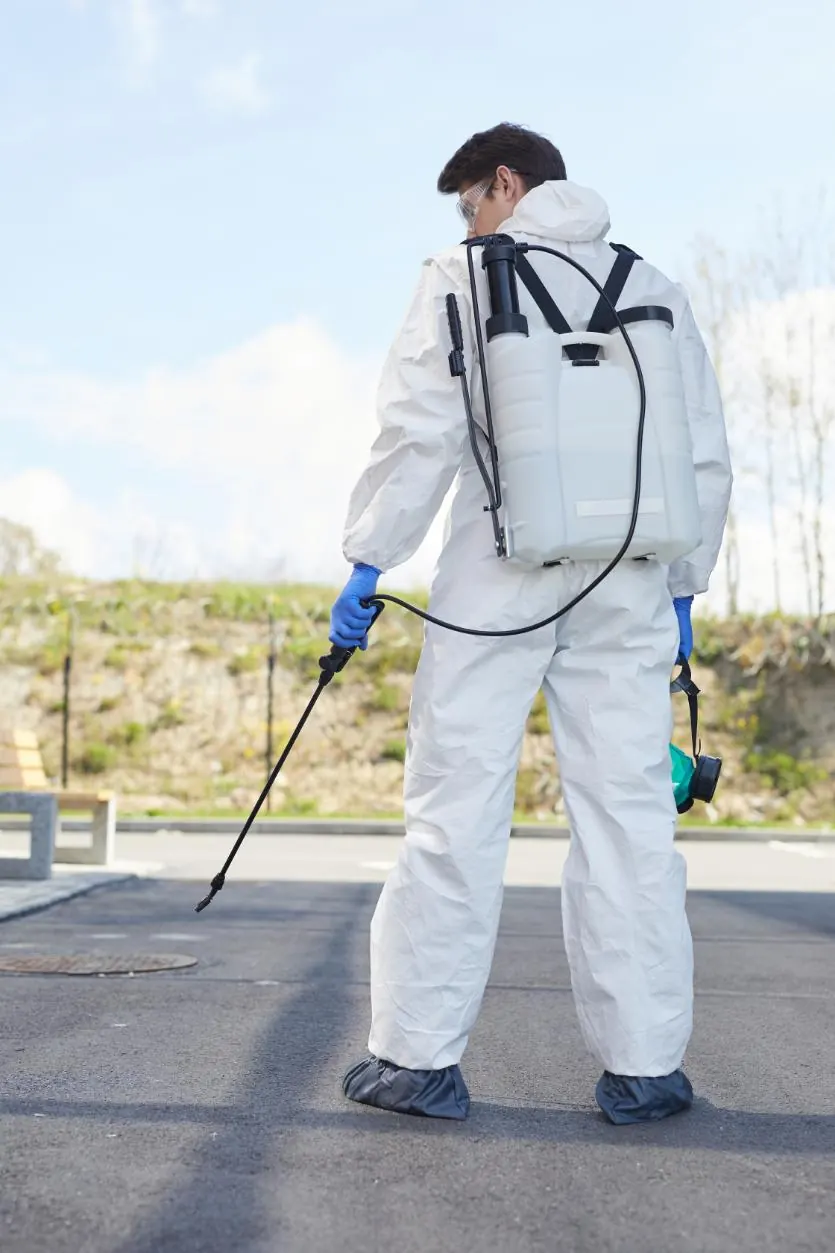
Begin at the garage and move around the foundation in one direction. Check the bottom edge of garage doors, corners where siding or stucco meets the slab, crawl-space vents, window screens, door thresholds, and openings around electrical, plumbing, gas, and cable lines. Look up at eaves, soffits, roof returns, and branches that touch the roofline. Rodents can use vertical routes, so an opening high on the structure may matter as much as a gap near the ground.
Do not poke into dark voids or reach behind stored material. Use a flashlight from a stable position and record what is visible. Pay attention to rub marks, disturbed insulation, gnawing, or a gap that leads toward a warm or sheltered space. A simple sketch of the exterior can help show whether several signs align along one side of the building.
03 / FIELD NOTE
Check the garage, attic, and utility transitions
Garages are often the bridge between the yard and the home. Keep the door sweep meeting the floor, look for daylight at corners, and avoid leaving pet food, bird seed, or open waste containers nearby. In attics, keep stored items organized so the roofline and vents remain visible. A screened vent or repaired soffit is easier to check than a blocked one.
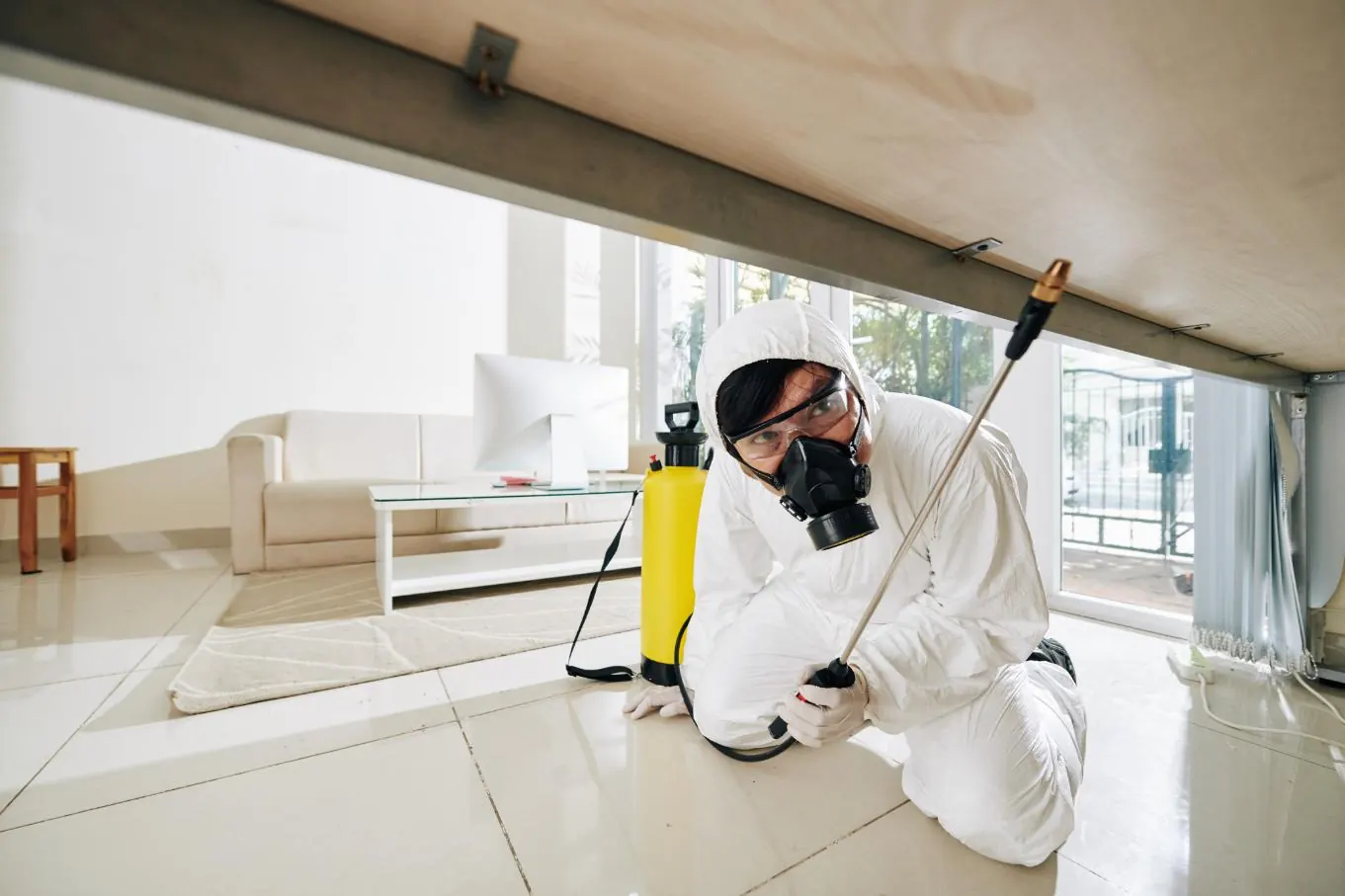
Utility penetrations deserve a close look because pipes, wires, and conduits can create both openings and climbing routes. Never seal a required vent, exhaust, or drainage path without understanding its function. Instead, note the location and bring it into a rodent control conversation. If a shared-wall property is involved, tell the property manager about the location before work begins.
04 / FIELD NOTE
Remove the reasons rodents stay nearby
Entry repair is only one part of the picture. Secure pet food and bird seed, pick up fallen fruit, keep garbage in a closed container, and reduce piles of boards, boxes, dense debris, or overgrown vegetation beside the structure. A clean edge makes it easier to notice new signs and removes some of the shelter a rodent may use while moving around the property.
Use care with rodenticide products. Los Angeles County warns that poisoned rodents may die in inaccessible spaces and that outdoor bait can harm children, pets, and wildlife if it is not managed correctly. Read labels, follow the instructions, and do not mix approaches without a clear plan. If the situation includes pets, a crawlspace, an attic, or repeated signs, ask for a property-specific next step.
05 / FIELD NOTE
Connect the entry point to the right service plan
The most useful request includes the exact sign, the location, the time of day, and what changed around the property. Tell us whether the building is a detached home, townhouse, apartment, or local business. The installation, repair, and maintenance questions may differ when a garage, attic, shared wall, or commercial roll-up door is involved.
Use the Torrance service-area pages to add neighborhood context if you live in Walteria, West Torrance, or another local area. A rodent concern near a landscaped hillside edge may start with different questions from one around a Downtown Torrance mixed-use building. The goal is not to label the property from a single clue; it is to make the route easier to understand before the next step. Keep the notes together so a later inspection can compare an old sign with a new one. That simple timeline can also show whether a repair changed the pattern or only moved it to a different edge. If an opening has been repaired, note the date and material so later observations are easier to compare.