
A yard can look dry and still hold enough water for mosquitoes to complete part of their life cycle. A planter saucer, blocked drain, overturned lid, unused toy, clogged gutter, or poorly covered water feature may collect a shallow layer that is easy to miss. Los Angeles County recommends removing standing water at least once a week and any time after rain. The goal is to make the inspection routine simple enough that it actually happens.
Mosquitoes are not only an outdoor nuisance. They can carry disease, and the Greater Los Angeles County Vector Control District emphasizes that eliminating standing water is one of the most effective ways to reduce mosquitoes before they become flying adults. Property-level prevention works best when it combines water removal, screen maintenance, outdoor organization, and attention to the exact time and place activity is strongest.
01 / FIELD NOTE
Start with the containers you can move
Walk the yard with a bucket or empty hands and look at every object that can hold water. Check plant saucers, buckets, children’s toys, lids, wheelbarrows, tarps, watering cans, pet bowls, birdbaths, and recycling containers. Tip out water, turn items upside down, cover them, or store them under shelter. A container that looks insignificant can be more relevant than a large area that drains quickly.
Refresh water in pet bowls and birdbaths frequently, scrub the sides when needed, and avoid letting a thin film remain in a shaded corner. If a container cannot be emptied, cover it with a secure screen or lid that does not leave a gap. The right action depends on the object, but the weekly habit is consistent.
02 / FIELD NOTE
Inspect drains, gutters, and low spots
Water can hide where a surface looks clean. Check gutters, downspouts, floor drains, irrigation boxes, pool covers, and the area beneath outdoor furniture. After rain or watering, look for puddles that last longer than expected. A clogged gutter can create a narrow, sheltered water line, while a low patio edge can hold water against a wall or under a planter.
Do not enter a roof or crawlspace to inspect a drain if the area is unsafe. From the ground, note what you can see and whether the problem appears after a specific weather event. If activity returns in one outdoor zone, the timing is important. Mosquito questions become easier to sort when the water source and the hours of activity are written down.

03 / FIELD NOTE
Make patios and gardens less inviting
Shade, dense vegetation, and clutter can give adult mosquitoes a place to rest even when breeding water is elsewhere. Keep vegetation trimmed back from doors and windows, reduce unused items beside the structure, and make sure screens close and fit. This does not turn a yard into a pest-free space; it simply reduces shelter and keeps access points easier to read.
Outdoor routines matter too. If mosquitoes are most noticeable near dusk, note the patio, path, or seating edge where the activity starts. If they appear after irrigation, inspect the planter line, drains, and low places that receive the water. A mosquito-control discussion can then focus on the zones that actually need attention instead of treating the entire yard as one undifferentiated space.
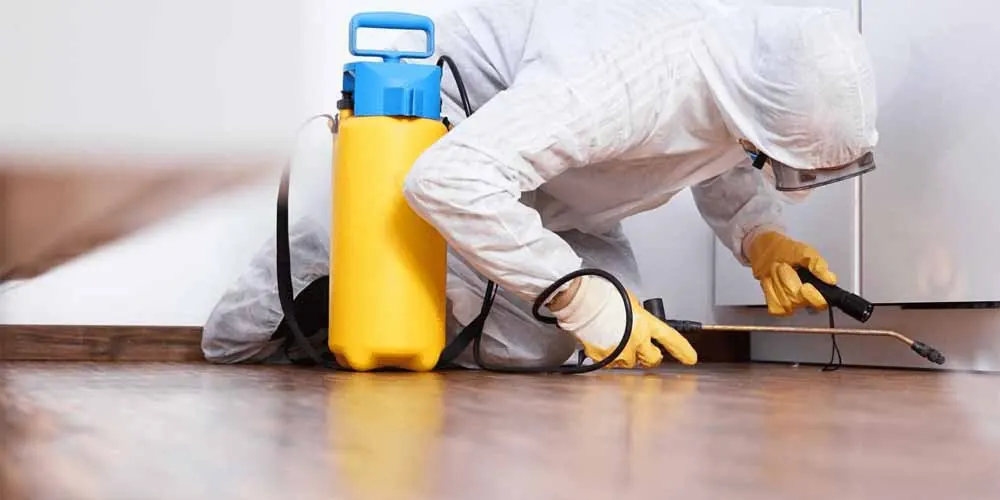
04 / FIELD NOTE
Protect people while you work outside
Los Angeles County recommends screens, long sleeves, and insect repellent with an appropriate registered active ingredient when people are outdoors. Follow the label for any repellent and use it as directed. The Greater Los Angeles guidance also notes that some mosquitoes are more active at dusk or dawn, so timing your yard work for another part of the day may make the task more comfortable.
If you find an inaccessible pool, a drain that cannot be corrected, or a shared-area water source, record the location and ask the responsible property contact or local public-health resource for guidance. A neighborhood page such as Hollywood Riviera or West Torrance can add local property context, but the actual water source at the site is what should guide the next question.
05 / FIELD NOTE
Build a weekly rhythm that stays realistic
Choose one day each week for a ten-minute water check, then repeat it after rain, irrigation changes, or a period when the property has been unused. Use the same path around the yard so you do not skip the small places. Empty containers, clear a drain, correct a cover, and make a note of anything that cannot be changed immediately. Small repetitions are easier to maintain than a one-time deep cleanup.
If mosquito activity remains strong after standing water and screen issues are addressed, tell us the outdoor zone, time of day, nearby water sources, and any shared property condition. The Torrance service-area pages can help you find the page closest to your neighborhood, while the contact page keeps the next conversation focused on the details you can observe. If the yard includes a pool, spa, shared courtyard, or irrigation system, include that in your notes. Water that is managed by another person or building may need a different contact, while a planter or container on your own patio can often be corrected immediately.